Wednesday
9 November 2022
For today's message, I am going to talk about:
The size of the whole universe is unknown, and it might be infinite in extent. But outer space is not completely empty, it is a near perfect vacuum containing a low density of particles, predominantly a plasma of hydrogen and helium, as well as electromagnetic radiation, magnetic fields, neutrinos, dust, and cosmic rays. It is literally out of this world. This endless region outside of Earth can be broken down into three groups:
- Interplanetary space - the area within our solar system
- Interstellar space - the area within our galaxy
- Intergalactic space - the area within our universe
Let us discover what exists beyond our floating rock and dive into the history of the past 13 billion years.
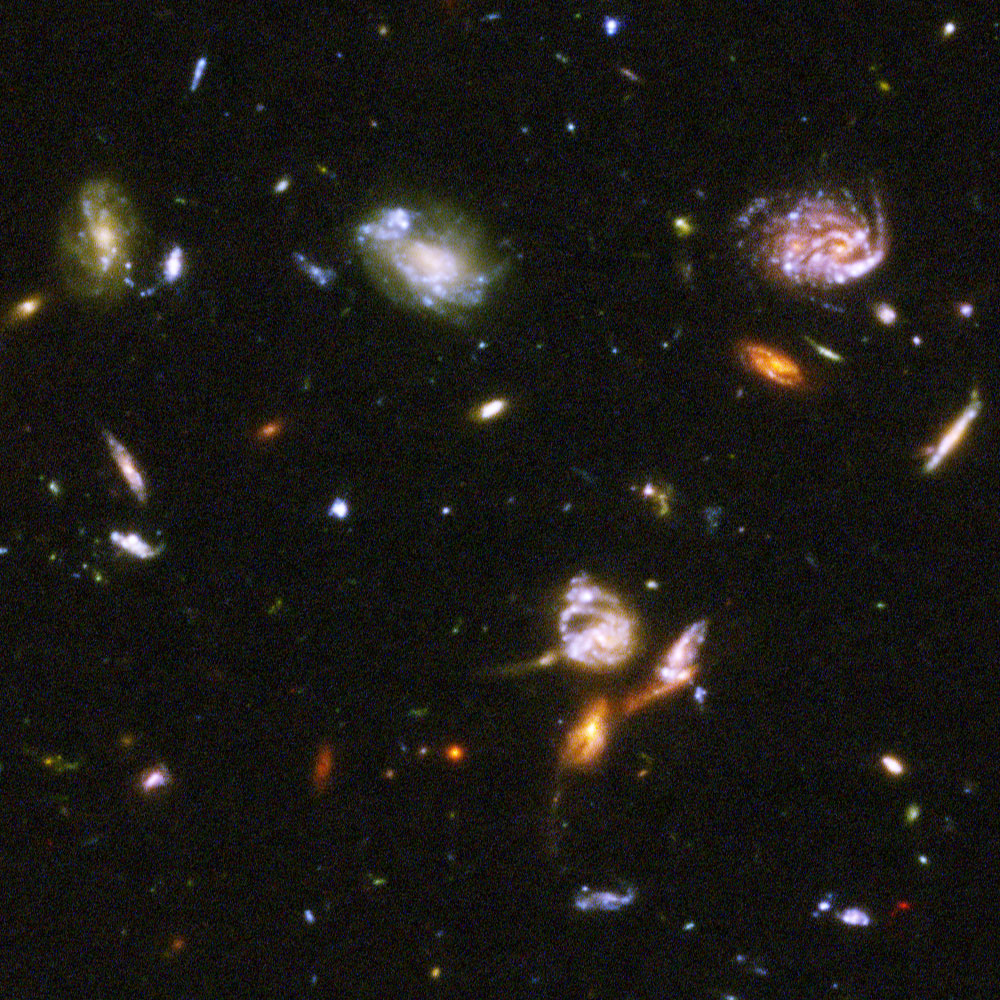
Given the finite speed of light, this view covers the past 13 billion years of the history of outer space.
A black hole is a region of spacetime where gravity is so strong that nothing – no particles or even electromagnetic radiation such as light – can escape from it. The celestrial body is my favorite among everything out there. Imagine all the mass of our solar system being compressed to an object the size of a golf ball. A force so powerful that even time itself will not be released from its grasp. At the center of our Milky Way galaxy exists a supermassive black hole.
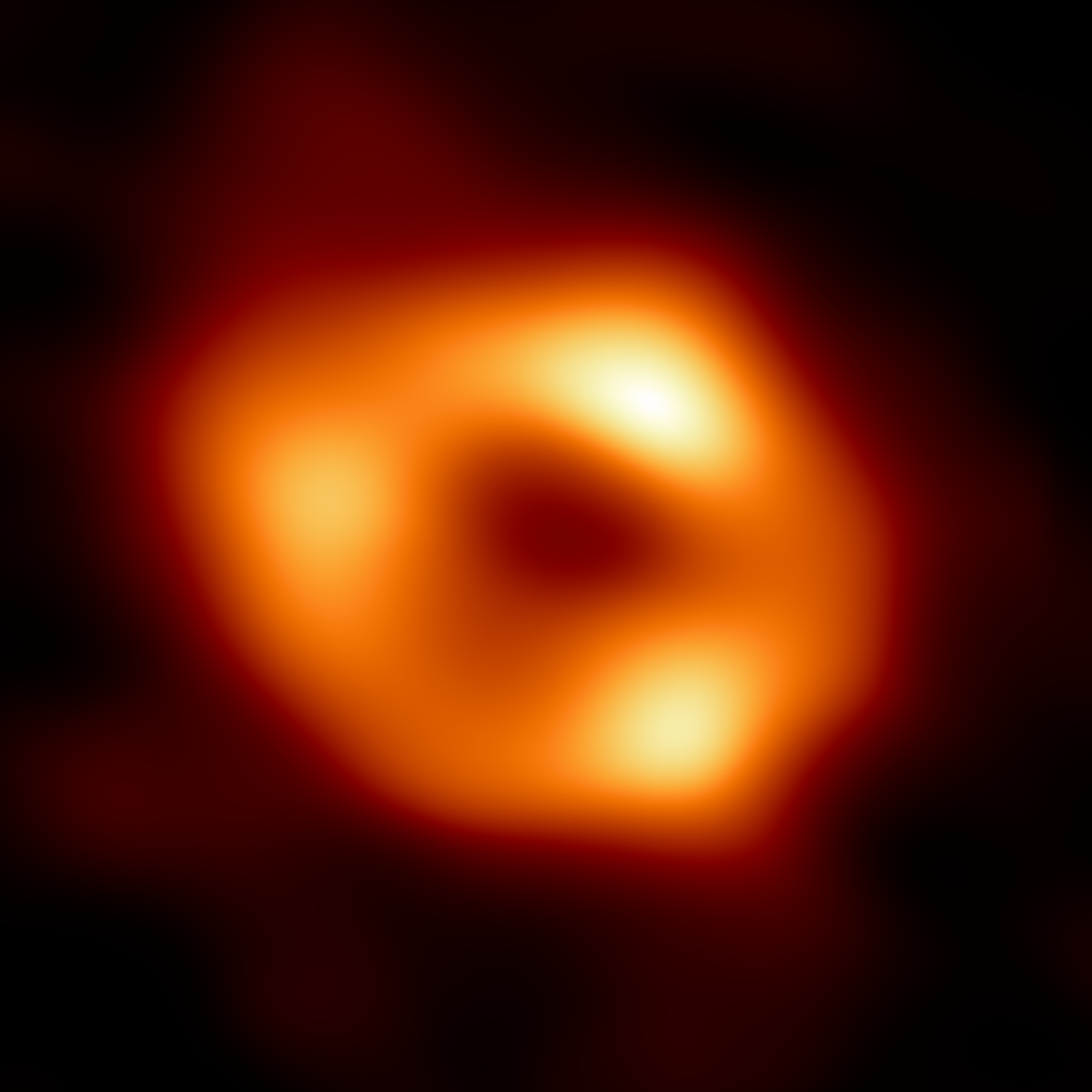
Our first image of Sagittarius A*. The center of our galaxy. Kinda looks like a coffee stain.
NASA scientists suspect Jupiter's moon Europa may be the most likely known candidate for extraterrestrial life because, against all expectations, there is likely liquid water below its cracked and frozen surface. Europa, much smaller than Earth, may host a deep ocean that researchers suggest could contain twice as much water as all of Earth's oceans combined.
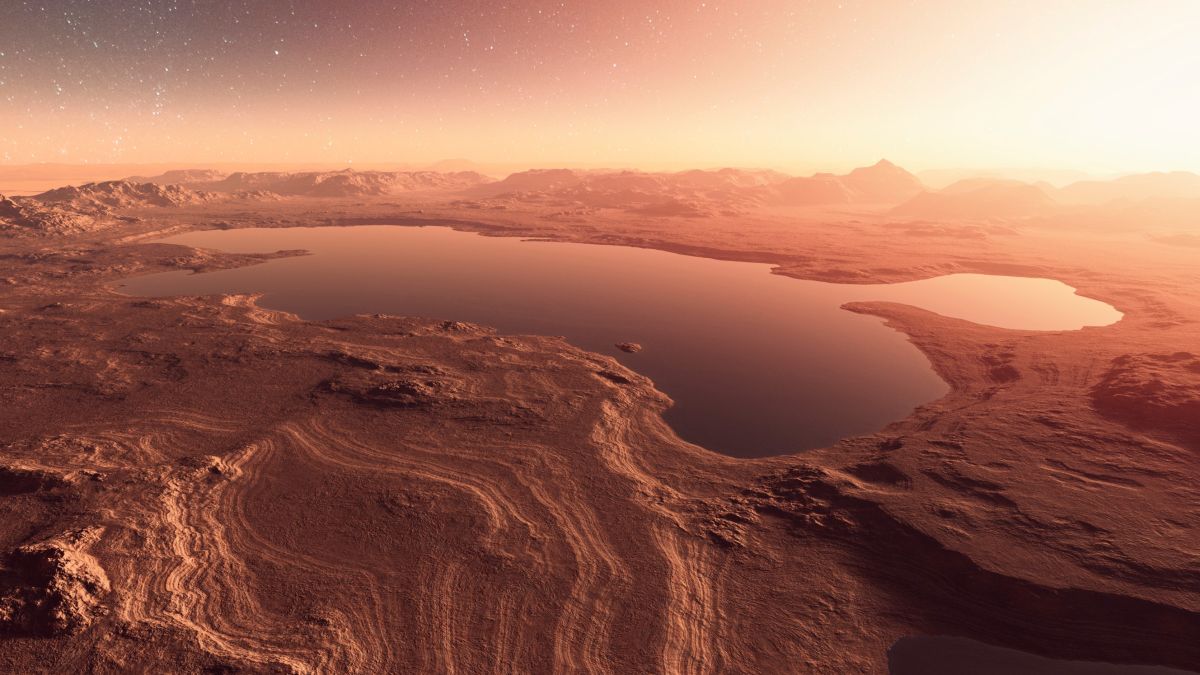
Water ice exists all over the solar system. This artist’s illustration shows what Mars would look like with lakes of water. Maybe we can go Kayaking there.
The International Space Station is over 100 meters long. It weighs 419,572 kilograms and is the largest single human-made structure to ever enter space and the most expensive object ever created at $150 billion. The ISS has been visited by 230 people from 18 different countries to conduct research and carry out missions.
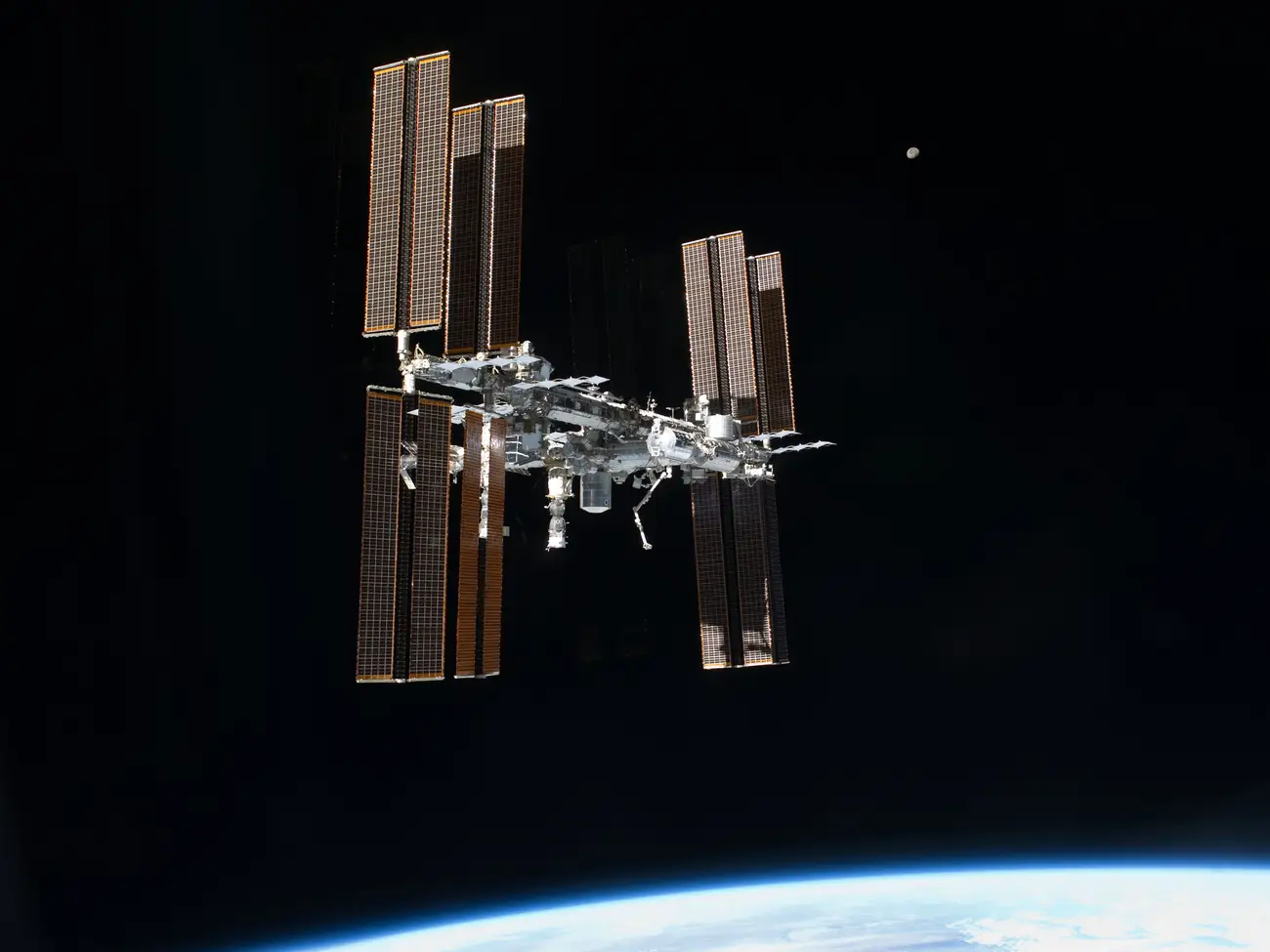
As the station ages, NASA reports that this decade in space will be its last. Sometime in 2031, the space agency plans to end the ISS's run by crashing it in the middle of the ocean.
I hope that you enjoyed a few of these space facts today!